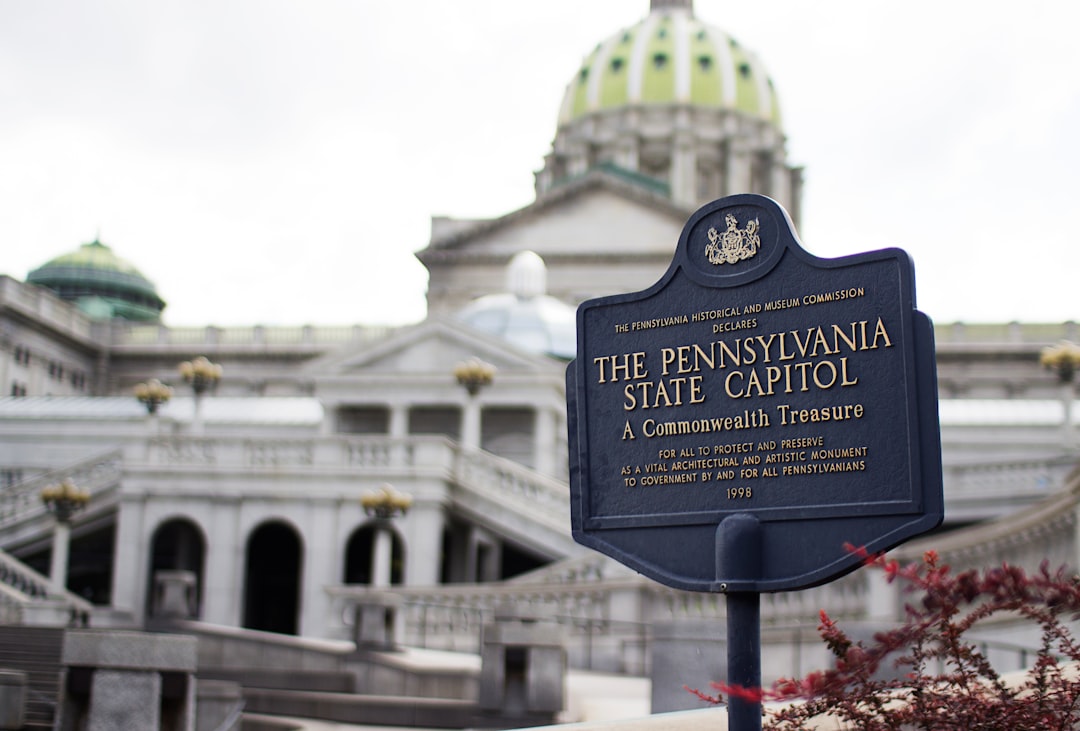
Pennsylvania's debt collection laws, governed by the FDCPA, prioritize fairness and transparency with strict timing restrictions, debtor verification rules, and guidelines against abusive language or false representations. Debt collector Attorney Pennsylvania recommends consumers understand their rights, demand proof of debt when disputed, and avoid contacting debtors at unusual hours or using deceptive means. These attorneys navigate complex regulations, advocate for rights, facilitate negotiations, and protect clients from unscrupulous practices. Debtors should keep detailed records of communications and request validation of debts to ensure ethical collection methods.
In the intricate landscape of consumer protection, understanding third-party contact rules for debt collectors is paramount. Pennsylvania, a bustling legal hub, has established stringent regulations to safeguard individuals from aggressive collection practices. However, navigating these laws can be challenging, especially for those unfamiliar with the nuances of debt collector Attorney Pennsylvania procedures. This article provides an in-depth exploration of Pennsylvania’s third-party communication guidelines, offering clarity and practical insights to both consumers and legal professionals alike. By delving into this topic, we aim to empower individuals to assert their rights while ensuring compliance for debt collection agencies operating within the state.
Understanding Pennsylvania's Debt Collection Laws

Pennsylvania’s debt collection laws are designed to protect both debtors and creditors, ensuring fair practices and transparent communication. When a debt collector contacts a debtor in Pennsylvania, they must adhere to strict guidelines to maintain compliance with these regulations. The Fair Debt Collection Practices Act (FDCPA) serves as a cornerstone of these rules, outlining the acceptable methods and means of contact for debt collectors nationwide, including those operating in Pennsylvania.
One crucial aspect to understand is the limitation on when and how often debt collectors can reach out to debtors. Collections agencies are prohibited from contacting individuals before 8 a.m. or after 9 p.m., local time, unless the debtor agrees otherwise. Additionally, they must cease all contact once the debtor validates the debt—a process known as “debtor verification.” A debt collector Attorney Pennsylvania recommends that clients be prepared to demand proof of their debt and understand their rights under these laws. For instance, if a consumer disputes a charge, the collector must stop contacting them until they provide documentation verifying the debt.
Another critical area is the manner in which debt collectors communicate. The law prohibits abusive, harassing, or false representations during collection efforts. This includes threatening language, misrepresenting the amount due, or using obscenities. Debt collectors should also avoid using automated dialing systems or pre-recorded messages without prior consent from the debtor. These regulations are enforced by both state and federal agencies, ensuring that debt collection practices remain fair, ethical, and transparent in Pennsylvania.
Third-Party Contact Rules: Do's and Don'ts

Pennsylvania debt collection laws strictly regulate how third parties can contact debtors, emphasizing fairness and transparency. Debt collector attorneys in Pennsylvania advise following these do’s and don’ts to ensure compliance: absolutely no contacting a debtor at unusual hours or through deceptive means. This includes calling before 8 a.m. or after 9 p.m., using automated dialing systems, or impersonating someone else. Always obtain the debtor’s explicit consent before contacting them via email or text messages.
Debt collectors must also verify their identity and purpose when communicating with debtors. They should provide clear and concise information about the debt and any legal action taken or pending. For instance, a collector should clearly state, “This is a collection call from ABC Debt Solutions regarding your outstanding balance.” Avoid threatening language or implying illegal consequences for non-payment. Instead, focus on explaining the potential outcomes of failing to resolve the debt, such as additional fees or impact on credit scores.
Additionally, debt collectors should maintain detailed records of all third-party contacts, including dates, times, and content discussed. This documentation can serve as proof of compliance during legal disputes or regulatory audits. Debt collector attorneys in Pennsylvania recommend implementing a robust internal system for tracking these interactions to safeguard against potential violations that could result in significant fines or legal repercussions.
The Role of a Debt Collector Attorney in PA

In Pennsylvania, when a consumer is confronted with overwhelming debt, one of the most effective paths to resolution involves engaging a skilled debt collector attorney. This legal expert plays a pivotal role in navigating complex debt collection regulations, ensuring fair practices, and advocating for the rights of both debtors and creditors alike. A debt collector attorney in Pennsylvania serves as a powerful ally, guiding clients through every stage of the process with in-depth knowledge of state laws and federal regulations.
For instance, the Fair Debt Collection Practices Act (FDCPA) sets forth stringent guidelines on how debt collectors can communicate with individuals. A well-versed attorney can educate both debtors and creditors about these rights and responsibilities, fostering a cooperative environment that respects individual privacy and dignity. They also facilitate negotiations between parties, aiming for mutually agreeable solutions. Through strategic legal representation, consumers can expect to achieve favorable outcomes, whether it’s settling debt at a reduced amount or disputing inaccurate claims.
Moreover, as the debt collection landscape evolves, so too do the challenges faced by both debtors and collectors. A debt collector attorney in Pennsylvania stays abreast of these developments, ensuring their clients’ interests are protected against unscrupulous practices. They provide proactive guidance on best practices for ethical debt collection, fostering a transparent and fair market. Ultimately, consumers benefit from this expert oversight, knowing their rights are being zealously defended within the legal framework that governs debt collection in the state.
Enforcing and Defending Your Rights as Debtor

In Pennsylvania, debt collectors are subject to strict regulations designed to protect debtors’ rights. Enforcing these rules is crucial for individuals facing debt collection efforts. The Fair Debt Collection Practices Act (FDCPA) prohibits abusive, unfair, or deceptive practices by debt collectors, including harassment, threats, and false statements. A debt collector Attorney Pennsylvania can play a pivotal role in ensuring these rights are upheld. For instance, they can advise clients on how to document and report violations, such as unsolicited calls at unreasonable hours or the use of threatening language.
Defending your rights involves understanding the legal framework surrounding debt collection. Debtors have the right to request validation of the debt, meaning they can demand proof from the collector that the debt is legitimate. This process, known as the “debt validation,” requires collectors to provide specific information about the debt, including the original creditor and the amount owed. A Pennsylvania debt collector Attorney can guide debtors through this process, ensuring their requests are properly documented and sent, and assisting them in resolving any discrepancies.
Practical insights for debtors include keeping detailed records of all communications with collectors, noting dates, times, and the substance of conversations or correspondence. This documentation can be invaluable if a debtor needs to take legal action. Additionally, debtors should never provide sensitive information over the phone or in email unless they have initiated the contact and are certain of the collector’s legitimacy. A debt collector Attorney Pennsylvania can offer expert advice on navigating these interactions, ensuring debtors remain protected while managing their financial obligations.
Ultimately, knowing and exercising one’s rights is empowering. Debtors need not succumb to aggressive collection tactics; instead, they can assertively engage with collectors by understanding their legal standing. A Pennsylvania debt collector Attorney can provide the strategic guidance necessary to negotiate favorable outcomes, resolve debts without undue stress or harassment, and ensure debtors’ rights are respected throughout the process.
About the Author
Meet Dr. Emily Parker, a seasoned Legal Consultant specializing in Pennsylvania debt collection regulations. With a J.D. from Temple University and an LL.M. in Commercial Law, she’s an expert in third-party contact rules. Emily is a sought-after speaker at industry conferences and a regular contributor to the American Bar Association’s journal. Her extensive experience includes advising clients on compliance and strategic debt collection practices, making her a trusted authority in this domain.
Related Resources
Here are 7 authoritative resources for an article on Pennsylvania debt collector third-party contact rules:
- Pennsylvania Department of Labor & Industry (Government Portal): [Offers official guidance and regulations related to debt collection practices in the state.] – https://www.doli.pa.gov/
- Federal Trade Commission (FTC) (Government Agency): [Provides federal guidelines and enforcement actions regarding fair debt collection practices, applicable across states including Pennsylvania.] – https://www.ftc.gov/
- American Bar Association (ABA) (Legal Organization): [Offers legal resources and perspectives on consumer debt rights and collector responsibilities.] – https://www.americanbar.org/
- Pennsylvania Bar Association (Legal Resource): [Provides state-specific legal information and insights for attorneys and consumers regarding debt collection laws.] – https://www.paba.org/
- Consumer Financial Protection Bureau (CFPB) (Government Agency): [Enforces federal laws protecting consumers in financial transactions, including debt collection practices.] – https://consumerfinance.gov/
- National Association of Consumer Credit Administrators (NACCA) (Industry Association): [Promotes ethical and legal debt collection practices through industry standards and education.] – http://nacca.org/
- University of Pennsylvania Law School (Academic Study): [Offers legal research and publications on consumer protection, debt collection, and related topics.] – https://www.law.upenn.edu/