
Pennsylvania's Spam Call laws protect residents from nuisance phone calls, especially those from telemarketers and debt collectors using automated or prerecorded messages. A specialized Spam Call law firm PA offers guidance on consent, opt-out options, and legal expertise to combat intrusive marketing. Debt collectors must adhere to strict regulations, including debt validation, limited contact attempts, and fair communication. Unlawful practices are addressed by the FDCPA and state laws, with significant penalties for violators. Consulting a qualified attorney specializing in Spam Call law firm PA can help protect consumer rights.
In Pennsylvania, debt collection practices are governed by stringent laws designed to protect consumers from harassment and unfair treatment. Understanding these regulations is crucial for both debtors and debt collectors alike. This guide delves into the key aspects of Pennsylvania's spam call laws, consumer protections, debt collector rights, and illegal collection practices. For those seeking guidance or representation in dealing with spam calls from law firms in PA, this article offers valuable insights and legal expertise to navigate these complex issues effectively.
Understanding Pennsylvania's Spam Call Laws
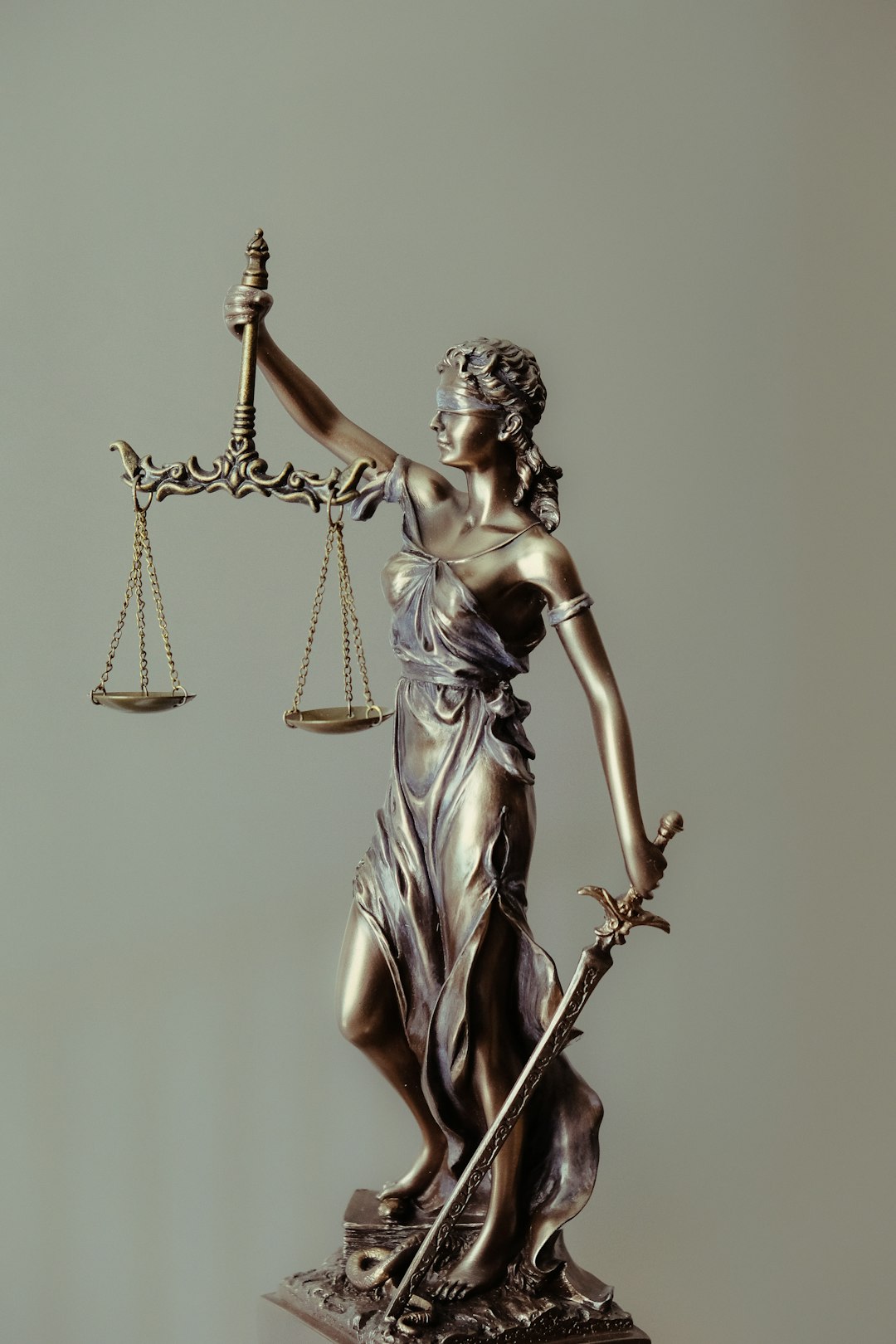
In Pennsylvania, the Spam Call laws are designed to protect residents from unwanted and harassing phone calls. These laws specifically target telemarketers and debt collectors who engage in excessive or aggressive call campaigns. A "spam call" is generally defined as an unsolicited telephone call made for commercial purposes using automated dialing equipment or prerecorded messages.
If you're being harassed by a debt collector or spam call law firm PA, it's important to know your rights. Under Pennsylvania law, these entities must comply with certain guidelines, including obtaining your consent before calling and providing a way to opt out of future calls. Understanding and asserting your rights under these laws can help stop the unwanted attention and protect your privacy.
Protecting Consumers from Harassment

Rights of Debt Collectors in PA
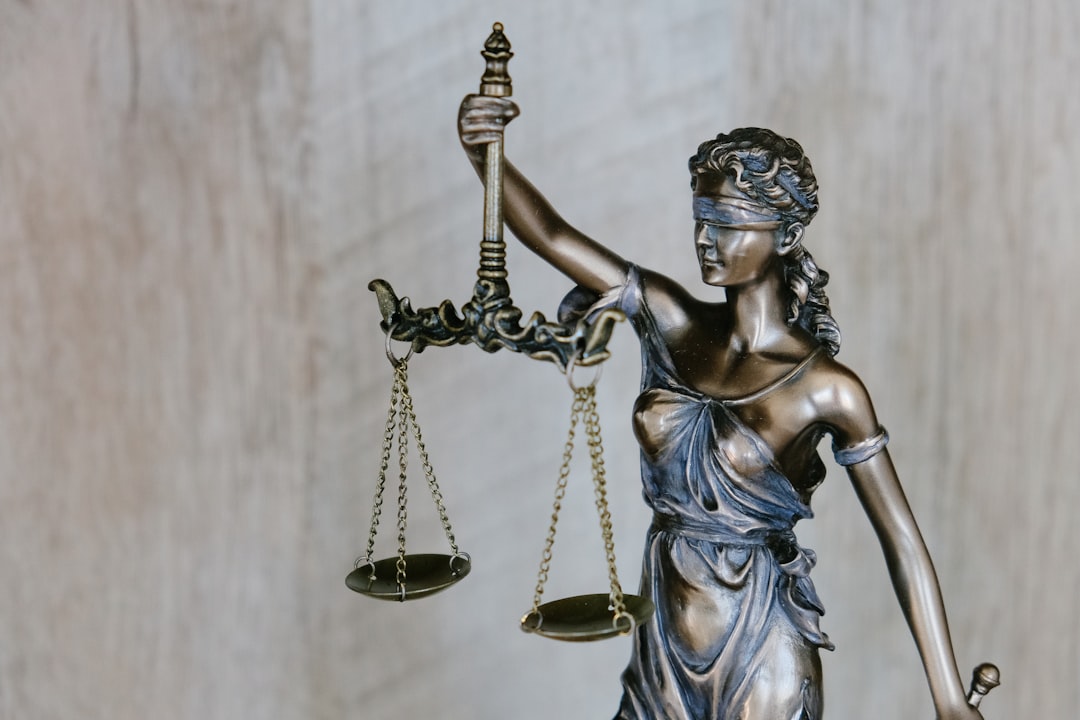
In Pennsylvania, debt collectors have specific rights and responsibilities outlined by state laws, including the Spam Call law. According to the PA Law, debt collectors must provide validation of the debt upon request, ensuring transparency and accuracy in their practices. This means they are legally bound to stop contacting consumers if asked for by the debtor.
The state's regulations also cap the number of times a debt collector can contact a consumer, usually limited to three attempts per week, unless agreed upon otherwise. Furthermore, collectors cannot harass or threaten debtors, and they must adhere to fair collection practices, ensuring respect for the debtor's rights. This includes not using abusive language, false or misleading statements, or any form of discrimination during communication.
Unlawful Collection Practices Explained
Unlawful collection practices, including persistent spam calls from law firms in Pennsylvania, are regulated by state and federal laws designed to protect consumers. The Fair Debt Collection Practices Act (FDCPA) prohibits debt collectors from using abusive, unfair, or deceptive means in their efforts to collect a debt. This includes making harassing phone calls, using false or misleading statements, and threatening language.
In Pennsylvania, the Pennsylvania Unfair Trade Practices and Consumer Protection Law also offers protections against these practices. If you've been subjected to spam calls from law firms or other debt collectors, you may have legal recourse. It's recommended to consult with a qualified attorney who specializes in consumer protection laws, such as those focusing on the Spam Call law firm PA, to understand your rights and options.
Enforcing and Penalizing Violations

In Pennsylvania, violations of debt collection laws are taken seriously and are enforced by both state and federal agencies. If a debt collector in PA violates the Spam Call law or other relevant regulations, they can face significant penalties. These may include monetary fines, legal action from the affected individuals, and damage to their professional reputation.
Debt collectors found guilty of making prohibited calls, using deceptive practices, or failing to comply with consumer rights can be held accountable. The state's Attorney General's office actively prosecutes such cases, ensuring that debt collection agencies adhere to fair and ethical collection practices. This strict enforcement aims to protect Pennsylvania consumers from aggressive or illegal debt collection methods.