
Pennsylvania's debt collection laws are strictly enforced to protect consumers. Debtors have rights to fair treatment, challenge debts, and be free from harassment. Debt collectors must adhere to the Fair Credit Collections Practices Act (FCPCA) and Pennsylvania Debt Collection Law (PDCL), overseen by the Department of Banking. A debt collector attorney in PA guides clients through legal complexities, ensuring compliance and protecting rights. Key aspects include initial communication, dispute resolution, court proceedings, and collaboration. Individuals and businesses can effectively manage financial obligations while safeguarding their rights with expert legal guidance from a debt collector attorney in Pennsylvania.
Navigating legal action timelines in Pennsylvania when dealing with debt collectors can be a complex and stressful process for individuals and businesses alike. Understanding these timelines is crucial to protecting your rights and ensuring fair treatment. Debt collector Attorney Pennsylvania specializes in cutting through the confusion, offering clear guidance, and providing robust representation. This article serves as a comprehensive resource, breaking down critical aspects of legal action timelines, empowering you with knowledge to effectively manage interactions with debt collectors and achieve favorable outcomes.
Understanding Pennsylvania Debt Collection Laws
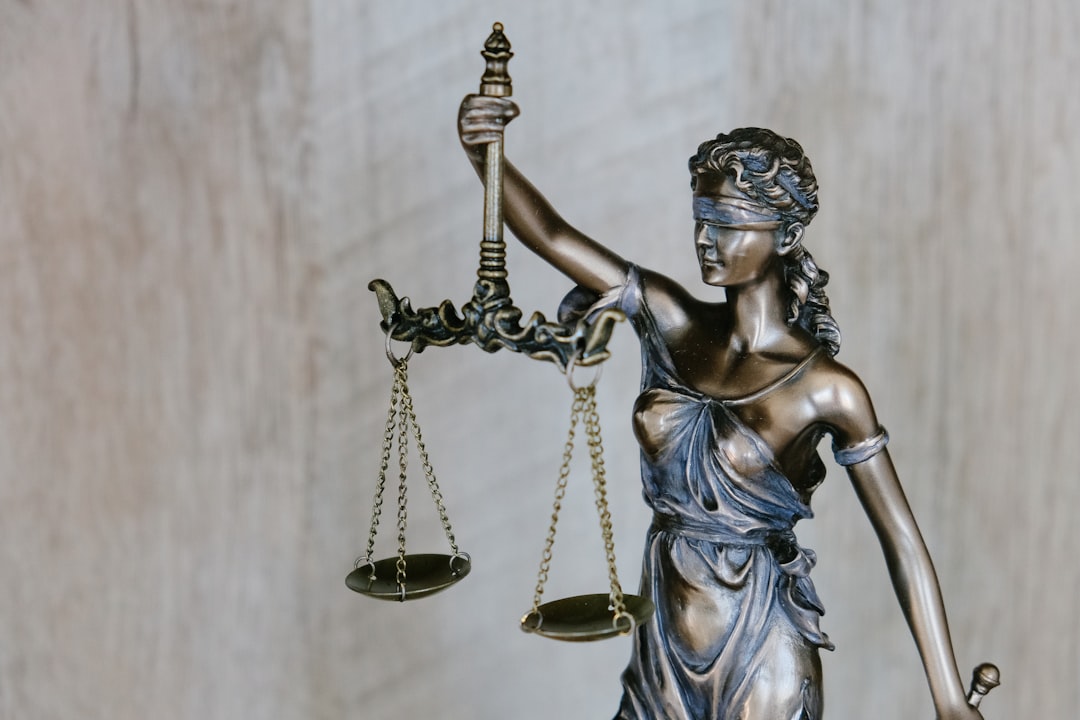
Understanding Pennsylvania Debt Collection Laws is paramount for both debtors and debt collectors operating within this state. Pennsylvania has established a clear legal framework to protect consumers from abusive or unfair practices while ensuring creditors have legitimate avenues to recover debts. The Pennsylvania Department of Banking oversees and enforces these regulations, including the Fair Credit Collections Practices Act (FCPCA) and the Pennsylvania Debt Collection Law (PDCL). Debtor rights are robust; they include the right to challenge the validity of a debt and to be free from harassment or threats by debt collectors. For instance, a debtor can request verification of the debt in writing within 30 days of initial contact from a collector, per FCPCA regulations.
Debt collection attorneys in Pennsylvania play a crucial role in navigating these laws. They advise clients on their rights and obligations, ensuring compliance with state regulations. In cases of alleged violations, these attorneys can take legal action against the debt collectors on behalf of their clients. For example, if a collector fails to provide proper validation or uses deceptive practices, an attorney can file a lawsuit seeking damages and attorney fees for the client under the FCPCA and PDCL. A recent study revealed that Pennsylvania consumers have successfully pursued legal action against debt collectors in hundreds of cases, underscoring the effectiveness of these laws and the importance of professional legal guidance.
Knowledgeable debt collection attorneys are well-versed in these legal intricacies and can help clients manage their debt-related issues efficiently. They guide debtors through the process of challenging inaccurate debts, negotiating settlement terms, and resolving collections lawsuits. Moreover, they assist collectors in ensuring their practices align with state regulations to avoid costly legal repercussions. For instance, a debt collector attorney can advise on proper communication protocols, including the type and frequency of contact allowed, as per PDCL guidelines. This proactive approach not only protects debtors but also enables collectors to maintain ethical and effective collection strategies.
Timelines: When Does Legal Action Begin?

In Pennsylvania, the legal process for debt collectors to take action against debtors is tightly regulated by state laws designed to protect consumers. Understanding when this legal action can begin is crucial for both creditors and debtors alike. The timeline typically starts with the initial attempt to collect a debt, which can be as simple as a phone call or a demand letter from a debt collector attorney in Pennsylvania. This opening phase often includes negotiations over payment terms or dispute resolution efforts.
If these initial attempts prove unsuccessful, the debt collector must adhere to specific legal procedures. In Pennsylvania, debt collectors have a limited window of time—usually 4 years—to file a lawsuit against a debtor for breach of contract or an outstanding debt. During this period, they must follow strict protocols, including providing proper notice and ensuring all documentation is in order. For instance, a debt collector might send a demand letter outlining the amount owed, the legal basis for collection, and any potential consequences if the debt remains unpaid.
Once the lawsuit is filed, the court sets a series of deadlines for both parties to respond, present evidence, and attend hearings. This process can extend over several months or even years, depending on the complexity of the case and the number of defenses raised by the debtor. A debt collector attorney in Pennsylvania plays a pivotal role here, guiding their client through these legal maneuvers while ensuring compliance with state regulations designed to prevent oppressive collection practices.
Debtor Rights & Collector Obligations

In Pennsylvania, both debtors and debt collectors have specific rights and obligations that are governed by state laws and regulations. Debtors are entitled to fair treatment and clear communication from debt collectors, ensuring they understand their rights and the process involved. For instance, the Fair Debt Collection Practices Act (FDCPA) mandates that debt collectors refrain from using abusive, false, or deceptive means in their attempts to collect a debt. This includes making harassing phone calls, misrepresenting the amount owed, or threatening legal action without intent to follow through.
When a debtor faces legal action from a debt collector, they have certain protections in place. In Pennsylvania, debtors can request validation of the debt, which requires the collector to provide proof that the debt is legitimate and the amount accurate. This process empowers debtors to ensure they are being treated fairly and that the debt collection efforts are lawful. Furthermore, debtors can dispute the debt with the collector or file a complaint with the Pennsylvania Attorney General’s Office if they believe their rights have been violated.
Debt collectors, on the other hand, must adhere strictly to legal guidelines. They are obligated to provide clear notices to debtors, including information about the debt and the right to challenge it. Collectors should maintain thorough records of communications and ensure they have proper authorization to contact individuals regarding the debt. A Pennsylvania debt collector attorney can guide both parties through these complexities, ensuring that rights are respected and obligations met. Regularly reviewing and understanding these timelines and requirements is crucial for debtors and collectors alike to navigate this process effectively.
Navigating Legal Process with a Debt Collector Attorney PA

Navigating legal process with a debt collector attorney in Pennsylvania is a crucial step for individuals and businesses facing financial challenges. A skilled lawyer can guide clients through complex regulations, ensuring compliance and protecting their rights. In Pennsylvania, the Fair Debt Collection Practices Act (FDCPA) governs interactions between debt collectors and consumers, setting timelines and restrictions on collection activities. Understanding these legal frameworks is essential to effectively managing debt and avoiding violations that could lead to significant penalties.
When a debt collector in Pennsylvania initiates legal action, individuals have specific rights and protections. For instance, within 30 days of initial contact, debtors are entitled to receive validation of the debt, including the name of the creditor, the amount owed, and the legal basis for collection. A debt collector attorney can ensure that these notices are properly sent and that all communications with clients adhere to FDCPA guidelines. In cases where disputes arise regarding the validity or amount of the debt, an attorney can represent the client’s interests, gathering evidence and negotiating a resolution on their behalf.
The legal process often involves court proceedings, where a debt collector attorney in Pennsylvania plays a pivotal role. They prepare and file necessary documents, represent clients in court appearances, and advocate for their rights. Timelines vary depending on the complexity of the case and local judicial processes. For example, in small claims court, cases typically proceed faster, with shorter timelines for filing responses and resolutions. However, more intricate matters may require additional time for discovery, expert testimony, and other legal procedures. A knowledgeable attorney can help navigate these complexities, ensuring that clients’ interests are protected throughout the process.
Regular communication is key to a successful partnership with a debt collector attorney in Pennsylvania. Clients should actively engage with their lawyers, providing all relevant information and documents promptly. This collaboration enables attorneys to build strong cases, make informed strategic decisions, and ultimately achieve favorable outcomes. By understanding the legal process and leveraging the expertise of a qualified debt collector attorney, individuals and businesses can effectively manage their financial obligations while safeguarding their rights under Pennsylvania law.